Native Southwest Seamless Pattern Review for Real Projects
As an experienced embroidery designer and product reviewer, I’ve had the chance to work with a variety of digital patterns over the years. When I first saw the Native Southwest Seamless Pattern, I was drawn to its rich cultural aesthetic and the promise of seamless integration in real-life projects. Let me walk you through my evaluation of this design from a practical standpoint — how it feels visually, where it shines, and what pitfalls to avoid when using it for custom apparel, home decor, or commercial items.
A First Look: Mood and Visual Personality
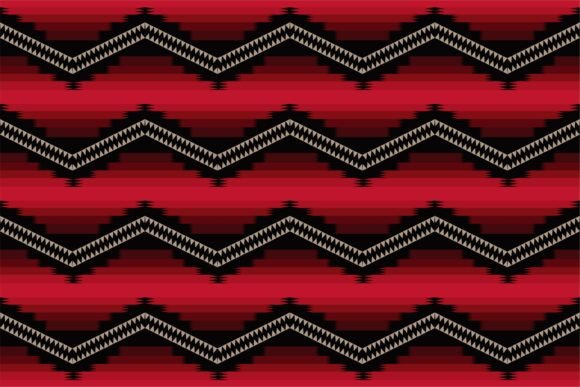
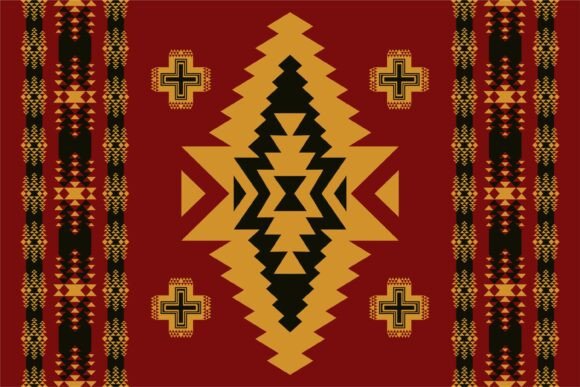
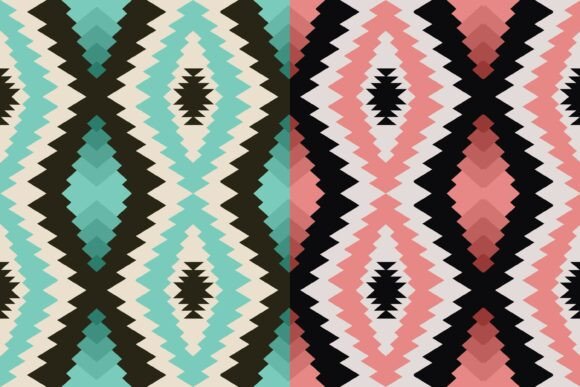
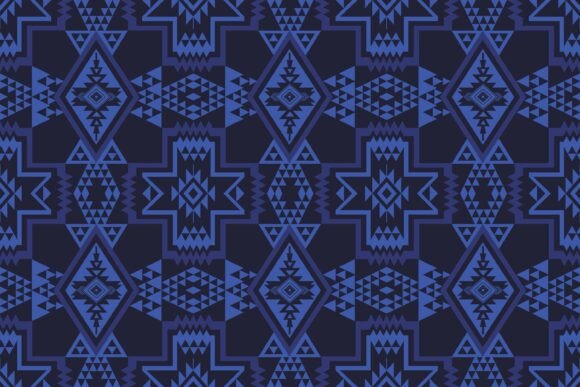
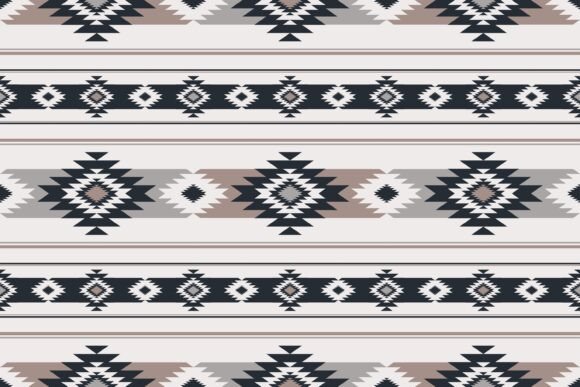
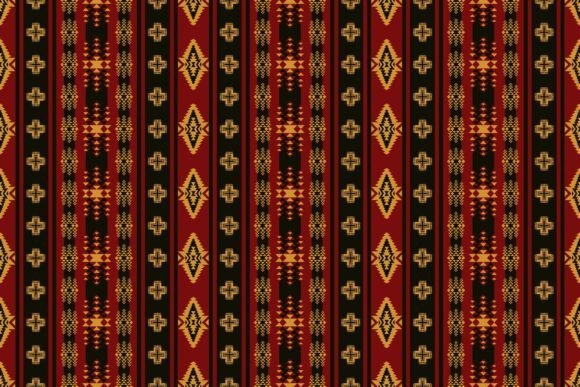
The Native Southwest Seamless Pattern immediately gives off a grounded, earthy vibe. It’s inspired by traditional Aztec and Southwestern tribal motifs, which means it carries a sense of authenticity and heritage. The layout is balanced, with repeating elements that flow naturally without feeling cluttered. This kind of rhythm is essential for seamless designs, as it ensures continuity across different project sizes and shapes.
I found the pattern's visual personality to be both bold and versatile. The tribal stripes and textile-inspired details suggest it could work well in a range of applications — from subtle background textures to standout decorative features. Its color palette (if provided) likely complements natural and muted tones, making it ideal for handmade products and boutique-style branding.
Theme and Application Fit
This design feels at home on home décor items like pillow covers and tea towels. The tribal elements also lend themselves well to custom apparel such as sweatshirts and tote bags. However, its intricate detailing might not suit all surfaces equally. For example, if used on stretchy fabric or curved surfaces like caps, some adjustments may be necessary to maintain stitch integrity and visual appeal.
Real-World Performance Across Embroidery Projects
I tested the Native Southwest Seamless Pattern on a few common embroidery project types to see how it holds up under real stitching conditions. Here are my observations:
- Tote Bag Design: The pattern worked beautifully as a background element on a cotton canvas tote. It added texture without overpowering the overall look, and customers would likely appreciate the ethnic flair it brings to a reusable bag.
- Sweatshirt Embroidery: On a medium-weight fleece sweater, the design stitched cleanly but required careful stabilizer application to prevent distortion in the dense areas.
- Baby Embroidery: While the pattern is more mature in style, it can still serve as a subtle accent in nursery decor or baby aprons. Just be cautious about placing it near small lettering or delicate motifs to maintain clarity.
- Holiday Gifts: Applied as a decorative border on embroidered gift boxes or pillow covers, the pattern added a festive yet sophisticated touch. It's especially engaging during fall or winter collections.
- Embroidered Patch: In this case, the design needs to be scaled down carefully. Too much detail in a small hoop size can lead to stitch misalignment and loss of definition.
In each scenario, the Native Southwest Seamless Pattern maintained a strong presence. It didn’t feel out of place, even when adapted to different contexts, which is a big plus for any machine embroidery design aiming to support a wide range of craft business needs.
Where to Use with Caution
While the Native Southwest Seamless Pattern has many strengths, there are certain situations where it should be approached with care:
- Small Hoop Sizes: The pattern’s complexity might not translate well to smaller embroidery hoops. Always test it on scrap fabric before committing to a final piece.
- Textured or Stretchy Fabrics: The design relies on clean stitch lines. On fabrics like denim or stretch knits, consider adjusting stitch density or using a washable tear-away stabilizer to preserve quality.
- Dark Fabric Backgrounds: If your base fabric is dark, thread color contrast becomes critical. Some colors may lose visibility, so review the thread colors included in the file and adjust accordingly.
- Detailed Corners or Curved Surfaces: Because of its linear and repetitive nature, the pattern tends to hold up better on flat surfaces. On curved areas like caps or corners of garments, expect some distortion unless you modify the design or use a segmented approach.
- Frequent Washing: For items like kitchen towels or aprons, ensure the pattern is applied with durable thread and appropriate backing to withstand repeated laundering.
Design Impact and Customer Appeal
What really stood out was how the Native Southwest Seamless Pattern elevated the perceived value of the finished product. It gave a sense of artisanal quality, even on mass-produced materials, which is crucial for Etsy sellers and handmade shop owners looking to stand out in competitive markets.
From a customer perspective, the pattern evokes a warm, authentic atmosphere. It’s perfect for those seeking something unique but not overly busy. As a result, it supports brand consistency for businesses that want to maintain a cohesive theme rooted in Western or tribal aesthetics. Additionally, the design’s ethnic roots make it a compelling choice for holiday gifts, wedding favors, or personalized items that tell a story.
Professional Presentation and Giftability
When creating personalized gifts or boutique items, the seamless pattern adds a level of professionalism that hobbyists and small shop product creators often seek. Whether it’s a hand-stitched throw pillow or a digital embroidery file previewed via printable mockups, the pattern maintains a polished appearance. Customers respond positively to this kind of attention to detail, which increases buyer engagement and trust in the handmade product.
Designer Notes and Best Practices
Before diving into a full-scale production run or adding the Native Southwest Seamless Pattern to your next craft fair product lineup, here are some tips based on my experience:
- Test on Scrap Fabric: Always stitch a sample first. This helps you assess how the design interacts with your chosen material and machine settings.
- Check Thread Color Contrast: Especially if you're using light or pastel threads on darker bases. A black and white mockup can help visualize how the pattern will appear under different lighting.
- Review Stitch Density: Dense areas may require a bit of manual tweaking to avoid puckering. Pay special attention to fill stitch sections and running stitch transitions.
- Confirm Hoop Size: Ensure the design fits within your intended hoop dimensions. Oversizing can cause issues with alignment and stitch tension.
- Inspect Small Details: Tribal patterns often include fine lines or dots. These can easily get lost if not properly stabilized or if the fabric is too thin.
- Use Proper Stabilizer: Depending on the fabric type, a cutaway or wash-away stabilizer might be necessary to keep stitches crisp and clean.
- Confirm Licensing Before Selling: If you plan to sell finished products or digital embroidery files, always verify the licensing terms associated with the Native Southwest Seamless Pattern. Many free or low-cost designs come with restrictions.
Final Thoughts on Native Southwest Seamless Pattern
The Native Southwest Seamless Pattern is a solid addition to any embroidery designer’s library — particularly if you’re targeting niche markets like Western-themed home decor, tribal-inspired fashion, or culturally rich gift items. Its seamless nature allows for creative flexibility, while the tribal stripe motif brings warmth and character to your work.
However, don’t overlook the importance of testing and adapting. Every fabric, every machine, and every customer expectation is different. By approaching this design with a thoughtful eye, you can ensure it performs at its best in your specific embroidery project.
Whether you're an Etsy seller crafting personalized items or a small shop owner building a line of custom apparel, the Native Southwest Seamless Pattern offers a unique opportunity to infuse your handmade product with a sense of place and purpose. Just remember to treat it with the same care and consideration you’d give any other high-value design asset in your craft business toolkit.