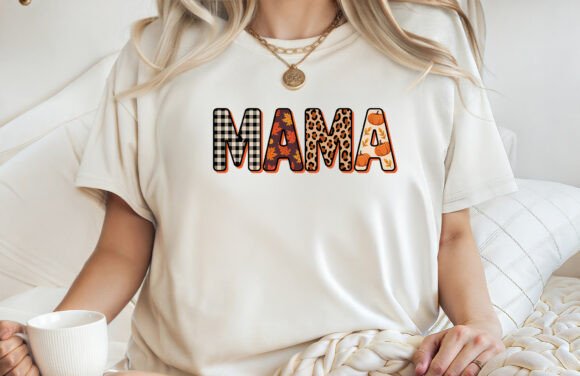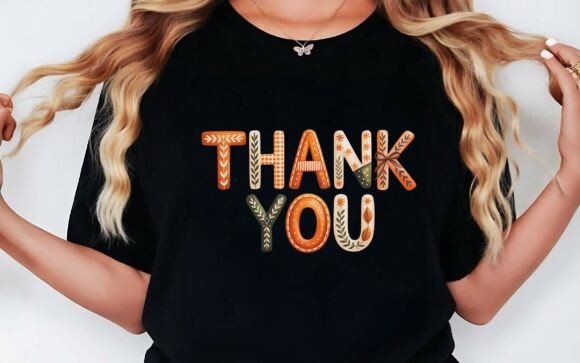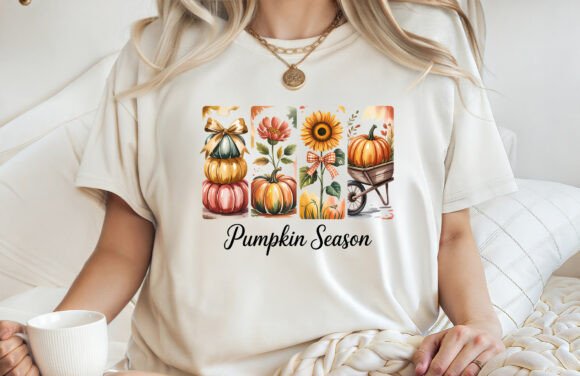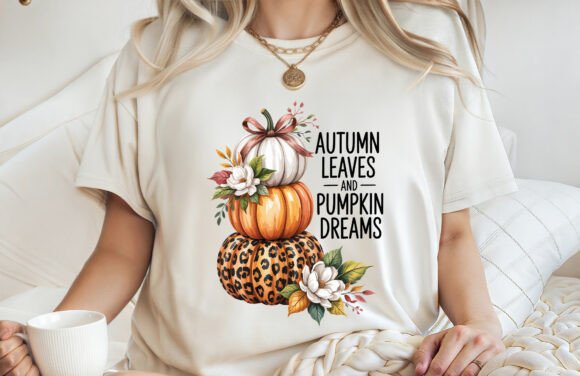
Autumn Leaves Fall T-shirt Design PNG Review
As a designer who spends more time than I care to admit staring at stitch density charts and debating thread color palettes, I approach every new asset with a healthy dose of skepticism. The market is flooded with generic clipart, but few pieces truly translate well from a screen to the fabric surface. Today, I am putting Autumn Leaves Fall T-shirt Design PNG through its paces. This isn’t just about how it looks in a preview window; it is about whether this design holds up when it is stitched onto a customer’s hoodie, embroidered on a baby onesie, or printed on a tote bag for a local craft fair.
I recently had a project deadline looming: a batch of personalized fall-themed aprons for a boutique client who wanted something warm, rustic, yet professional. I needed a graphic that felt organic but wouldn’t get lost in the weave of the cotton canvas. That is where this particular T-Shirt Designs category entry caught my eye. Let’s break down exactly what makes this piece work, where it shines, and where you might want to proceed with caution.
First Impressions and Visual Mood
The immediate takeaway from Autumn Leaves Fall T-shirt Design PNG is its clarity. In the world of digital embroidery files and graphics, "clean" is often an understatement, but here it is accurate. The transparent background provided in the high-resolution PNG format allows for seamless integration into any layout without those annoying white boxes cluttering your workspace. The visual personality of the design leans heavily into the cozy, nostalgic aesthetic that defines the autumn season.
From a compositional standpoint, the arrangement of the leaves feels balanced. It doesn’t scream for attention; rather, it invites the viewer in. For an embroidery project, this subtlety is crucial. If the design is too busy, the stitches can merge into a muddy blob, especially if you are working with limited thread colors. This design strikes a nice middle ground—detailed enough to show texture, but open enough to let the fabric breathe. It creates a mood of comfort and harvest, making it instantly relatable for anyone looking to add a touch of seasonal warmth to their wardrobe or home decor.
Real-World Application: From Screen to Stitch
Let’s talk about utility. I took this machine embroidery design concept (visualized via the PNG) and mocked it up against several different product types to see how it would perform as a handmade product.
- Custom Apparel: On a heather grey sweatshirt, the design pops beautifully. The contrast between the dark threads and the muted fabric highlights the intricate vein details of the leaves. It feels premium, not mass-produced.
- Baby Embroidery: I envisioned this on a tiny muslin burp cloth or a baby blanket. Because the lines are relatively clean, it translates well to smaller scales. It adds a sentimental value that parents love, turning a simple item into a cherished personalized gift.
- Home Decor: When placed on a linen tea towel or a pillow cover, the design takes on a rustic charm. It fits perfectly into the farmhouse aesthetic that is still dominating interior design trends. As a tote bag design, it offers a sturdy, classic look that appeals to a broad audience.
For the Etsy seller or small shop owner, versatility is money. You can use this single asset across multiple categories—from holiday embroidery items to everyday wearables. This flexibility reduces the need to constantly source new designs, streamlining your workflow significantly.
Where to Exercise Caution
No design is perfect for every scenario, and being honest about limitations is part of being a good reviewer. While Autumn Leaves Fall T-shirt Design PNG is robust, there are specific contexts where it might struggle.
First, consider the hoop size. If you attempt to stitch this in a very small hoop, such as one used for delicate jewelry tags or tiny monograms, the fine details may become indistinguishable. The leaves might lose their definition, resulting in a shape that looks more like a vague smudge than foliage. Always check the proportions before committing to a mini-hooping project.
Second, think about fabric texture. While this design works well on smooth cottons and poly-blends, textured fabrics like heavy tweed or boucle wool can obscure the finer points of the graphic. The uneven surface interferes with the precision of the satin stitch and fill stitch areas, potentially leading to puckering or missed stitches. Similarly, stretchy fabrics require extra care; if the stabilizer isn’t applied correctly, the tension of the stitching could distort the leaf shapes, ruining the symmetry.
Dark fabrics also present a challenge. Depending on your thread choice, low-contrast combinations can make the design disappear. I recommend testing light-colored threads against dark backgrounds to ensure the silhouette remains clear. Additionally, avoid using this for highly detailed corners or tiny lettering accents if you plan to wash the item frequently. Over time, friction can wear down the most delicate parts of the embroidery, so placing the design on a stable, flat area of the garment is wise.
Technical Notes for the Discerning Designer
Before you upload this file to your digitizing software or print it for sublimation, there are a few practical steps every professional should take.
- Test on Scrap Fabric: Never trust a screen mockup implicitly. Stitch a sample on the actual fabric you intend to sell. Check how the thread colors interact with the material under different lighting conditions.
- Review Stitch Density: Although this is a PNG, understanding how the underlying vector or raster data translates to stitch paths is vital. Ensure that the stitch density is appropriate for the weight of your fabric. Too dense, and you risk fabric distortion; too sparse, and the coverage will look patchy.
- Check Licensing: The product details state that commercial use allowed, which is excellent news for craft business owners. However, always double-check the specific license terms. Are there restrictions on the number of units you can sell? Can you modify the design? Confirm these details to protect your brand consistency and legal standing.
- Stabilizer Selection: Use the proper stabilizer for your fabric type. Cut-away stabilizers are generally safer for garments that will be worn and washed repeatedly, while tear-away might suffice for temporary projects like party favors.
Final Verdict on Value and Appeal
Does Autumn Leaves Fall T-shirt Design PNG earn its place in your design assets library? Absolutely. It offers a high level of professionalism that elevates the perceived value of your finished product. Customers can tell the difference between a cheap, pixelated print and a well-executed, high-resolution design. This clarity builds customer trust and encourages repeat purchases.
The aesthetic is timeless enough to remain relevant year after year, yet seasonal enough to drive sales during the fall months. Whether you are creating custom apparel for a wedding party, designing digital embroidery file bundles for other creators, or simply making a heartfelt gift for a friend, this design delivers. It balances artistic flair with technical feasibility, making it a reliable tool in your creative arsenal.
In conclusion, this is a strong addition to the Graphics category. It respects the constraints of embroidery while maximizing visual impact. By following basic best practices regarding fabric choice and stabilization, you can transform this simple PNG into a stunning embroidered patch, a cozy sweatshirt embroidery feature, or a charming nursery decor piece. It is a smart, versatile choice for any maker looking to add a touch of autumn elegance to their portfolio.