Monochrome Blue Navajo Pattern Review for Real Projects
As an embroidery designer and product reviewer, I always approach a new design with curiosity and a critical eye. The Monochrome Blue Navajo Pattern caught my attention not just for its aesthetic but also for how it might translate into real-world applications. Let me walk you through my hands-on evaluation of this seamless pattern as I imagine using it in various projects—from custom apparel to home decor.
First Impressions: A Timeless Southwest Vibe
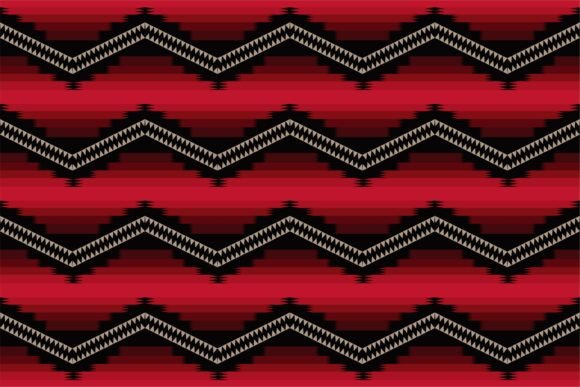
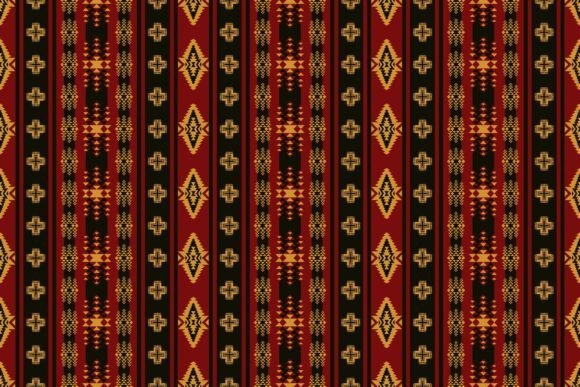
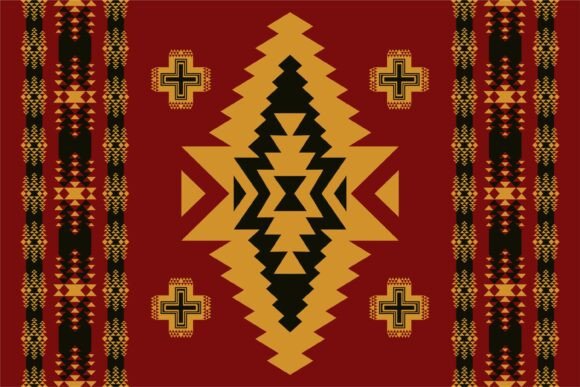
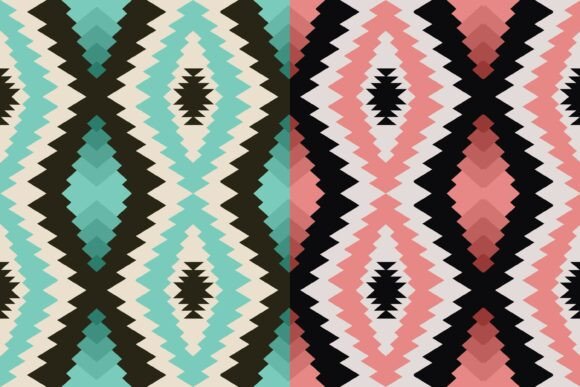
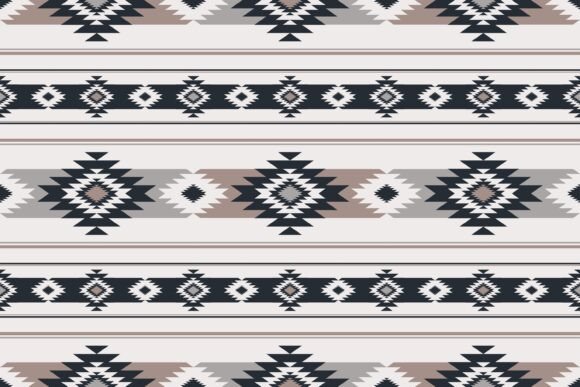
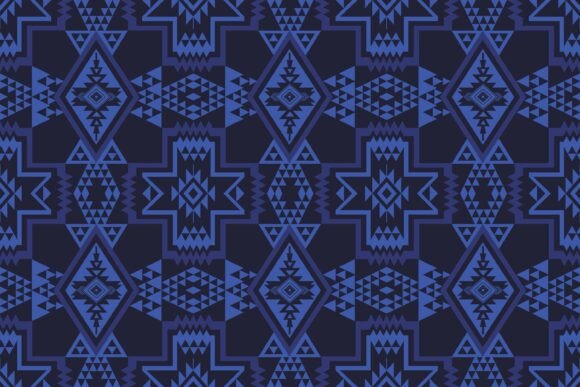
The Monochrome Blue Navajo Pattern immediately evokes the Southwestern spirit with its geometric precision and cultural roots. It’s a seamless digital graphics file that brings the iconic Aztec-inspired motifs of Navajo art into a modern monochrome format. The use of a single deep blue tone gives it a calm yet bold presence, making it versatile enough to work on both light and dark backgrounds when properly tested.
I appreciate the clean layout and balanced composition. The repeating elements don’t overwhelm the eye, which is crucial for any embroidery project meant to be scaled or repeated across fabric. This kind of visual rhythm is especially important for items like pillow covers, tea towels, or even tote bags where the pattern will wrap seamlessly around edges or be viewed from multiple angles.
Visual Personality and Project Fit
This pattern feels like a tribute to tradition, while still being contemporary. It’s ideal for someone aiming to create a handmade product with a strong cultural identity—like a boutique selling Western-themed accessories or an Etsy shop focusing on personalized gifts with a Native American motif.
Its structured lines and repetitive shapes suggest it could serve well as a background element rather than a foreground feature. For example, if I were designing a sweatshirt for a client who wants subtle ethnic flair, I’d consider placing this pattern near the hem or along the sleeve cuffs to add texture without stealing focus from the main logo or text.
Real-Life Embroidery Use Cases
Let’s get practical. Here are some of the ways I’ve imagined using the Monochrome Blue Navajo Pattern in actual embroidery work:
- Tote Bag Design: The pattern repeats smoothly, so it would look great across the full width of a cotton canvas tote. It adds character without becoming too busy.
- Sweatshirt Embroidery: Placing it along the back yoke or down the side panels gives a unique, upscale finish that stands out in a craft business collection.
- Baby Embroidery: While the pattern itself isn’t pastel, the softness of the blue can work surprisingly well for nursery decor or baby aprons, especially when paired with simpler, contrasting elements.
- Embroidered Patch: Its high contrast and defined shapes make it suitable for patches, particularly those used in denim jackets or western-style gear.
- Pillow Covers & Tea Towels: As a decorative accent, this pattern adds interest to textiles without requiring complex color management. Just one thread color makes it easier to produce consistently.
- Holiday Embroidery: During festive seasons, adding this pattern to gift tags, ornaments, or even holiday card designs can give a meaningful cultural touch.
- Commercial Embroidery: If you’re looking to scale up your small shop product line, this design has the potential to elevate your offerings with minimal effort, thanks to its simplicity and repeatable nature.
Where It Shines
One standout use is for custom apparel, especially when paired with white or cream-colored garments. The blue contrasts beautifully, creating a professional look that feels artisanal. For an Etsy seller, this pattern could be a valuable asset for items like aprons, caps, or even embroidered jewelry cases.
In terms of stitch density, it doesn’t appear too tight, which is good news for most fabrics. That said, I’d still recommend testing it on a scrap piece before committing to a large batch of products. You’ll want to ensure it holds up under tension and looks crisp after washing.
Cautions for Practical Application
While the Monochrome Blue Navajo Pattern is beautiful and functional in many contexts, there are a few areas where it may require extra care:
- Small Hoop Sizes: The repeating nature of the pattern means that using it in tiny hoop sizes (like for keychains or small patches) could lose the intended visual impact.
- Textured Fabrics: Because of the fine details, this design may struggle to maintain clarity on rougher materials such as flannel or heavy canvas without proper stabilizer.
- Stretchy or Thin Fabrics: Stretchy materials can distort the pattern slightly during stitching. Thin fabrics may also show through if the stitch coverage is too dense.
- Dark Fabric Backgrounds: The blue tones are rich but not black. On darker substrates, the contrast may not be sufficient unless you test with different thread colors.
- Curved Surfaces: When applied to something like a cap or hat, the pattern must be carefully adjusted to avoid misalignment due to the curvature.
- Frequent Washing: Items like kitchen towels or aprons should be tested for durability. Even with a solid stitch count, frequent laundering can affect the integrity of the design over time.
Design Considerations for Maximum Appeal
When considering the visual appeal of the Monochrome Blue Navajo Pattern, I found that it works best when given room to breathe. Too much repetition in one area can become overwhelming, especially on smaller items. However, when spaced correctly, it enhances the product’s value and perceived quality.
For customer trust and brand consistency, using this pattern can help establish a signature look for your handmade shop or craft business. It’s professional and distinctive enough to stand out on platforms like Etsy or at craft fairs. The pattern’s recognizable style also boosts giftability, particularly for those seeking meaningful, culturally inspired items.
Designer Tips for Using Monochrome Blue Navajo Pattern
If you're thinking about incorporating this design into your next project, here are a few tips based on my experience:
- Test First: Always try the embroidery file on scrap fabric before stitching the final product. This helps you catch any issues with stitch flow or alignment.
- Check Thread Color Contrast: Make sure the blue complements your chosen fabric. A printable mockup in black and white can help you visualize how it might look on different bases.
- Review Stitch Density: Adjust the stitch spacing according to the fabric type. More delicate materials may need looser settings, while sturdier ones can handle denser coverage.
- Confirm Hoop Size: Since the pattern is seamless, ensure your hoop is large enough to display it effectively. Avoid stretching the design beyond its recommended dimensions.
- Inspect Small Details: Look closely at corners and intersections. These areas are often where the stitch quality can drop off, especially on curved surfaces.
- Use Proper Stabilizer: Depending on the fabric, a tear-away or cut-away stabilizer might be necessary to prevent puckering or distortion.
- Confirm Licensing: Before using this design for commercial embroidery or digital product sales, verify whether it allows resale of finished items or redistribution as part of a digital embroidery file package.
Matching the Right Project
This pattern shines on mid- to large-sized items. Think of it as a supporting detail rather than the main attraction. It pairs well with other design assets—like minimalist typography or simple applique designs—for a cohesive, elegant look.
For small shop product creators, it can be a go-to option for collections that lean toward bohemian, rustic, or tribal aesthetics. Its neutral tone ensures it won’t clash with other branding elements or color palettes.
Final Thoughts: A Solid Addition to Your Embroidery Kit
Overall, the Monochrome Blue Navajo Pattern is a well-crafted machine embroidery design that blends cultural inspiration with modern usability. It’s not flashy, but it carries a quiet confidence that can enhance the professionalism of your finished product.
What I love most is how it adapts to different embroidery projects—whether you're creating a personalized gift or building a commercial line. It's the kind of seamless pattern that feels intentional and refined, without needing a lot of bells and whistles to make it work.
Just remember to treat it with the same care you would any detailed embroidery file. Test it thoroughly, choose the right materials, and consider the context of your target audience. When done right, this pattern can become a signature element in your creative portfolio—adding depth, character, and a touch of authenticity to your handmade product lineup.
So if you're an embroidery designer or apparel decorator looking for something that bridges traditional art with contemporary crafting needs, this pattern is worth exploring. But keep your expectations grounded in reality—this is a thoughtful design, not a magic bullet. It requires the same care and creativity that we all bring to our work.