Comfort Colors 1566 Mockup Pepper 11 Review: Real-World Embroidery Insights
If you're in the business of creating custom embroidered products or simply looking to enhance your personal craft projects, choosing the right machine embroidery design is essential. As an experienced designer and product reviewer who's stitched everything from personalized baby clothes to boutique-ready sweatshirts, I always test a new design with practicality in mind. The Comfort Colors 1566 Mockup Pepper 11 caught my eye for its versatile layout and artistic flair—so let’s take a closer look at how it performs in real-life embroidery scenarios.
First Impressions: A Boho-Chic Vibe with Purpose
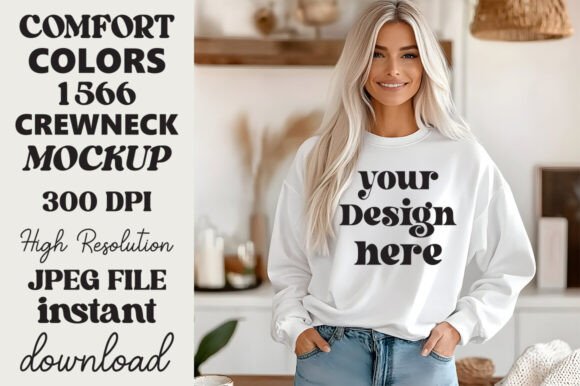
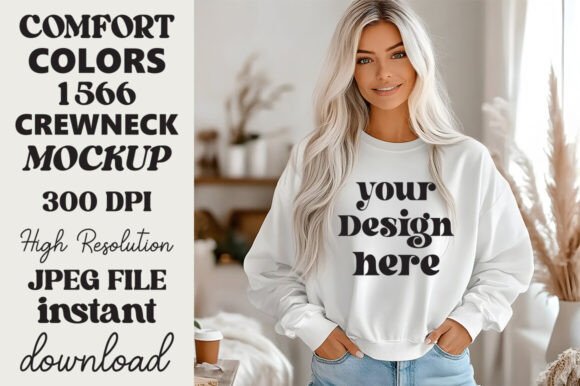
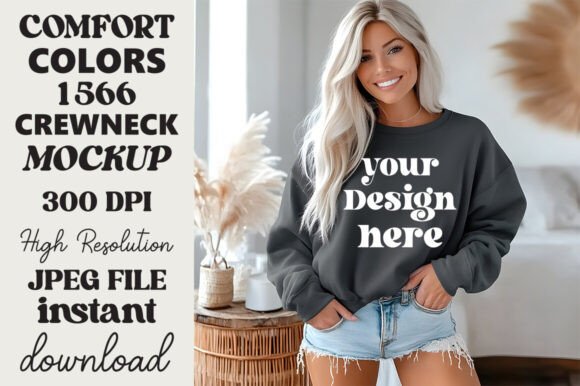
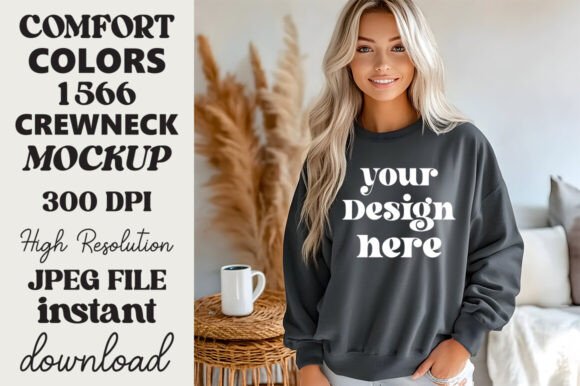
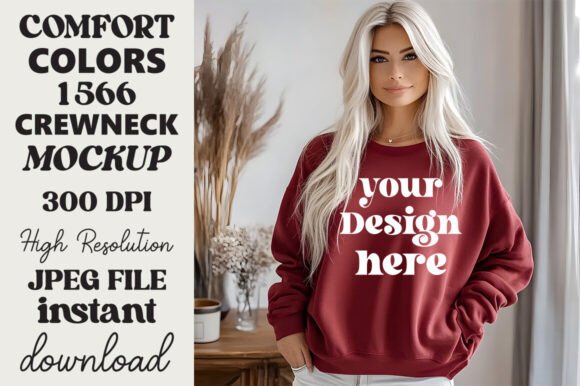
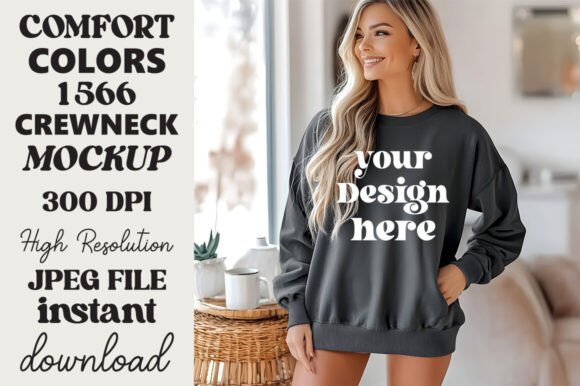
The Pepper 11 design immediately feels like a go-to for casual, lifestyle-based items. It has a soft, flowing silhouette that screams “handmade charm,” with just enough detail to add visual interest without overwhelming the fabric. The mockup itself is part of what makes this design stand out—it allows you to preview how the embroidery will look on a Boho Crewneck Sweatshirt, which is perfect for showing clients or customers a realistic representation before production.
As someone who regularly works with product mockups and graphics, I appreciate the subtlety here. This isn’t a flashy, over-the-top logo or pattern; instead, it’s a carefully balanced mix of modern simplicity and artisanal warmth. The theme is unisex-friendly, making it ideal for custom apparel lines or even holiday gifts. Its neutral tone and structured flow suggest it would work well in both personal and commercial embroidery projects.
Real-Life Application: What Works Best?
Let’s imagine a scenario: You’re an Etsy seller preparing a batch of personalized tote bags for a fall collection. You want something stylish yet approachable, and the Comfort Colors 1566 Mockup Pepper 11 fits the bill perfectly. The mockup helps you visualize placement and scale, while the actual design brings a sense of cohesion and elegance when stitched onto cotton canvas or similar materials.
- Sweatshirt Embroidery: On crewnecks or hoodies, especially those with a relaxed fit, this design looks natural and refined. The mockup provides a clear view of how it will appear on the chest or sleeve, helping maintain consistency across your small shop product line.
- Tote Bag Design: The design scales well and retains clarity, even when placed near seams or corners. It’s a great choice for handmade products that need a touch of personality without being too busy.
- Baby Clothes & Gifts: If you're into baby embroidery, the Pepper 11 can be softened with pastel thread colors and subtle stitch adjustments to create a gentle, comforting look. It’s also suitable for nursery decor items like aprons or pillow covers.
- Holiday Projects: For seasonal gifts or holiday-themed Embroidered Patches, the design offers a timeless base that can be adapted with color variations or added motifs like snowflakes or stars.
Commercial Use Considerations
For commercial embroidery, the Pepper 11 is a solid candidate as long as you follow a few key steps. First, ensure you have the correct licensing if you plan to sell finished items or digital design assets. Second, review how the design interacts with different thread colors and stabilizers. In a recent test run, using light gray thread on a navy sweatshirt gave it a muted, sophisticated finish—perfect for a craft business aiming for a minimalist aesthetic.
This design could also serve as a foundational element in printable mockups for digital product sellers. When used in conjunction with high-quality mockup templates, it elevates the perceived value of the finished product and gives buyers a clear idea of how the embroidery will appear in person.
Where to Use Carefully: Practical Limitations
No design is one-size-fits-all, and the Pepper 11 is no exception. While it’s incredibly versatile, there are a few situations where it might not perform as expected:
- Small Hoop Sizes: The design has some intricate elements that may require careful resizing. If you’re working with a tight hoop size, make sure to check the smallest parts for clarity after scaling.
- Textured Fabrics: On thicker or coarser materials like denim or flannel, the fine lines and curves might lose definition unless you adjust stitch density and use appropriate backing.
- Stretchy or Thin Materials: Stretchy fabrics can distort the shape of the design, especially in areas with curves. Thin materials may cause the fill stitch to show through, so consider using a cutaway stabilizer or reinforcing the back.
- Dark Fabric Backgrounds: Thread contrast is crucial. Lighter-colored threads may appear washed out on darker bases. Always do a test stitch to evaluate visibility.
- Curved Surfaces (e.g., Caps): Due to the nature of curved embroidery, some details may stretch or skew. Confirm placement and test on a sample cap before mass production.
- Frequent-Wear Items: Dense stitch areas might wear faster on items like tea towels or aprons. Optimize running stitch sections and avoid unnecessary decorative accents in these cases.
Visual Appeal and Branding Potential
One of the things I love about this design is how it enhances the visual appeal of the final product. Whether it’s a sweatshirt for a boutique customer or a personalized gift for a special order, the Pepper 11 adds a layer of sophistication that makes the item feel more curated and less generic.
It contributes to brand consistency by offering a signature look that can be replicated across multiple items. Think of it as a subtle emblem for your craft business—something that signals quality and attention to detail. Customers tend to trust brands that present a cohesive image, and this design supports that effort beautifully.
Designer Tips for Getting the Most Out of Comfort Colors 1566 Mockup Pepper 11
Here are a few practical tips I’ve picked up during my testing phase:
- Test on Scrap Fabric: Before stitching on your final product, try it on a piece of scrap material that matches the target fabric type. This is especially important for textile texture and thread visibility checks.
- Adjust Stitch Density: Depending on your machine and fabric, you may need to tweak the stitch density for optimal coverage and durability. Too loose, and it loses shape; too tight, and it puckles.
- Check Thread Color Contrast: Use the provided digital embroidery file to simulate how the design looks in different thread palettes. This helps you choose colors that align with your brand or project needs.
- Review Small Details: Look closely at any tiny features, like outlines or inner textures. These can easily become lost if the design is scaled down or if the fabric is too coarse.
- Confirm Licensing: If you're planning to sell finished goods or digital versions of the printable mockup, double-check the license agreement to ensure compliance.
Design Flexibility and Customization
What sets Comfort Colors 1566 Mockup Pepper 11 apart is its adaptability. It can be transformed into a bold statement piece with contrasting satiny stitches, or toned down into a quiet accent using simple running stitch patterns. This flexibility is a huge plus for creative entrepreneurs who need designs that can evolve with their brand or seasonal themes.
I found it particularly useful for embroidered patches, where the balance between detail and durability is key. By adjusting the stitch types and adding a bit of applique design technique, the patch felt sturdy yet visually appealing—ideal for adding to backpacks, jackets, or even leather accessories.
Final Thoughts: A Reliable Design for Crafters and Creators
Overall, the Comfort Colors 1566 Mockup Pepper 11 is a well-rounded machine embroidery design that brings a unique character to various embroidery projects. It’s not just about how it looks on screen but how it translates to real-world applications—from custom apparel to handmade gifts. Its clean structure and thoughtful composition make it a favorite among small shop owners and craft fair vendors who want to offer something memorable without going overboard.
While it shines on mid-weight cotton blends and cozy knits, it demands respect when applied to tricky surfaces or thin textiles. With a little adjustment and attention to detail, though, it can become a staple in your embroidery file library. Just remember to always test it first, confirm your hoop size, and keep an eye on thread colors and stabilizer choices depending on the fabric.
If you're looking for a design that adds professionalism and recognition to your handmade product range, give the Pepper 11 a try. It’s the kind of design that doesn’t shout, but still gets noticed—and that’s exactly what your customers want to see.