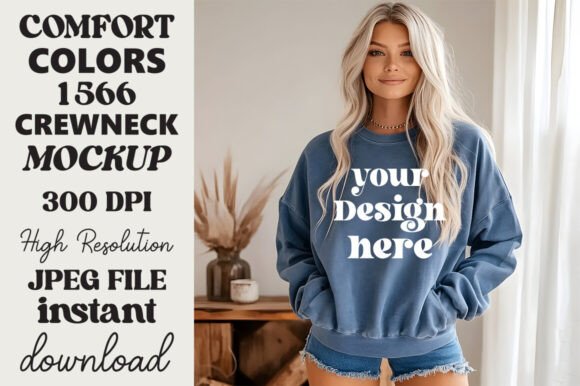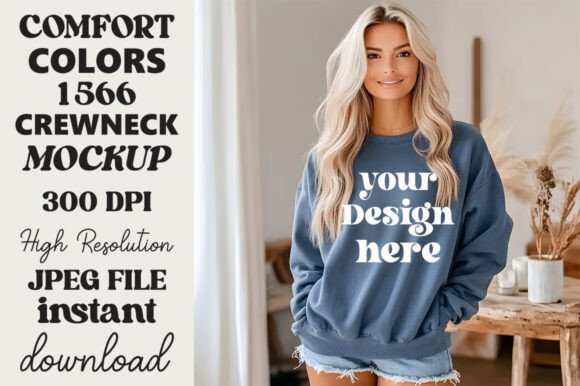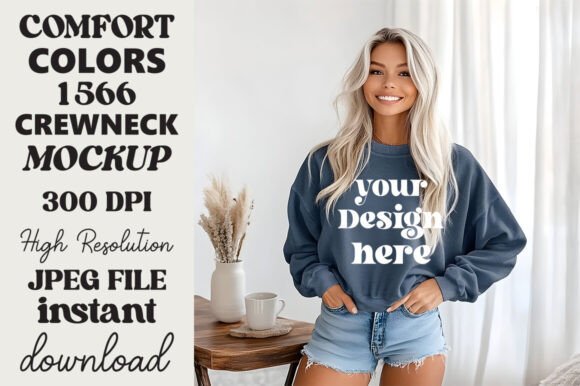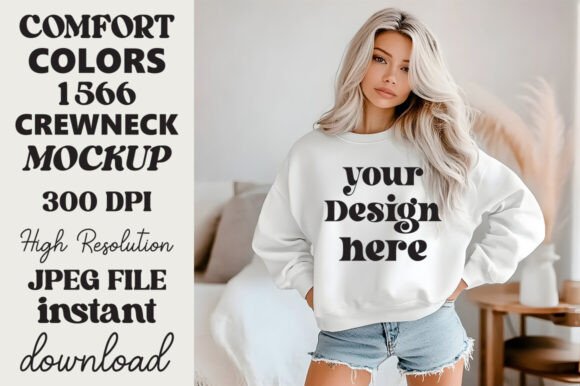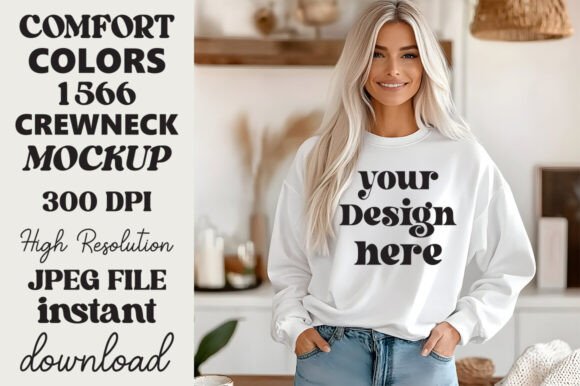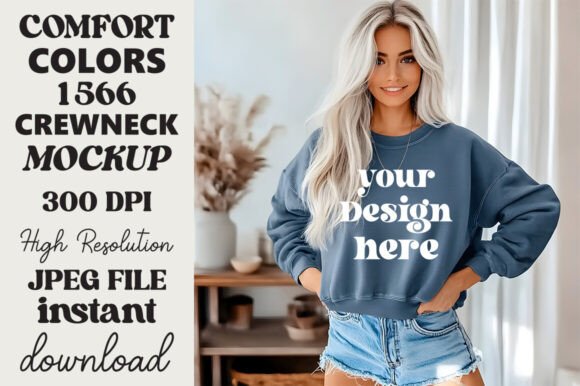
Comfort Colors 1566 Mockup Denim 18 Review for Real Projects
As an embroidery designer and product reviewer who’s worked with countless mockups, I approach each new design with a critical eye. Comfort Colors 1566 Mockup Denim 18 caught my attention not just because of its name but also for the visual storytelling it brings to the table. Let me walk you through how this machine embroidery design feels in practice, where it shines, and what you need to watch out for when using it on real handmade or commercial projects.
A First Glance: The Mood and Visual Language of Denim 18
The first thing that stands out about Comfort Colors 1566 Mockup Denim 18 is its laid-back yet polished aesthetic. It has that classic boho vibe—soft curves, muted tones, and a casual balance between fill stitch and satin stitch elements. The layout suggests it was designed with versatility in mind, which is always a good sign for any digital embroidery file. It doesn’t scream for attention; instead, it blends subtly into the fabric, making it ideal for designs that aim to create a sense of warmth and familiarity.
This kind of mood naturally fits into custom apparel like sweatshirts or tote bags, especially if your target audience leans toward boutique-style or personalized gifts. The theme feels intentional, as though the design was crafted to complement natural fibers, denim textures, or cozy knits. As someone who regularly reviews applique designs and sweatshirt embroidery files, I can say that Denim 18 holds its own in terms of visual personality without being too busy or too minimal.
Real-World Application: Sweatshirt Embroidery and Beyond
Let’s imagine a real-life scenario: You’re preparing a batch of custom Boho Crewneck Sweatshirts for a holiday pop-up shop. Your client wants something soft, wearable, and memorable—not just a logo, but a design that speaks. That’s where Comfort Colors 1566 Mockup Denim 18 steps in.
When applied to a crewneck sweatshirt, the design sits comfortably on the chest area. Its gentle lines and balanced proportions make it feel at home on a larger surface, and the subtle texture helps it stand out without overwhelming the garment. For Etsy sellers or small shop product creators, this kind of understated elegance can be a big win, especially if you're aiming for a brand identity that’s warm and inviting rather than flashy.
But don’t limit yourself to sweaters. This design works well on tote bags too. Whether it's a gift for a friend or part of your handmade product lineup, the look of Denim 18 adds a touch of craftsmanship that customers notice. It’s also worth considering for baby clothes or nursery decor if you’re looking for a softer alternative to bold, graphic designs. The key is to match the design to the right product context—something I’ll talk more about later.
Where It Excels
- Custom Apparel: Especially crewnecks and hoodies where a relaxed, artistic look is desired.
- Tote Bags: Adds character without being too loud, perfect for eco-friendly or reusable items.
- Handmade Gifts: Ideal for holiday embroidery or personalized products where charm matters.
- Printable Mockups: If you’re creating digital design assets for online listings or social media, Denim 18 looks great in layered previews.
- Brand Consistency: Offers a cohesive visual style for craft businesses aiming to maintain a signature look across their product range.
Design Notes for Practical Use
One of the things I appreciate most about this design is its thoughtful use of thread colors. The palette isn’t overly complex, which means it’s easier to source matching threads and maintain stitching clarity. However, if you plan to use it on dark fabric or textured materials, you might want to test the contrast before going all-in. Some of the lighter running stitches could get lost on darker surfaces, so adjusting thread colors accordingly may help.
I also noticed that the stitch density is moderate—just enough to hold shape without puckering. This makes it suitable for a wide range of fabrics, including light to medium-weight cottons and blends. But again, when working with stretchy or thin materials, you’ll need to take extra care. A proper stabilizer is crucial here to keep everything from shifting during the process.
For those using this in commercial embroidery projects, it’s important to confirm whether the design comes with appropriate licensing. While the mockup itself is useful for previewing, the actual embroidery file should be verified for resale rights if you intend to sell finished items or digital products.
Key Design Considerations
- Test on Scrap Fabric: Before committing to a large run, stitch it onto a sample piece to evaluate how it behaves with your machine settings.
- Review Thread Color Contrast: Make sure the design remains visible against your chosen background. Lighter shades may require a change for certain projects.
- Check Stitch Density: Adjust if needed for different fabric types or machines. Too dense and it pucks; too loose and it loses definition.
- Confirm Hoop Size: While the exact hoop size isn’t specified, it’s best to verify based on the design’s dimensions to avoid stretching or misalignment.
- Inspect Small Details: Look closely at corners or intricate parts. These are often where issues arise during stitching, especially on curved surfaces.
- Use Proper Stabilizer: This is non-negotiable when working with delicate or stretchy materials. Even if the design is simple, poor support leads to poor results.
Visual Appeal vs. Stitching Clarity
What makes Denim 18 special is how it balances visual appeal with stitching clarity. The design doesn’t rely on tiny lettering or high-density fill areas, which reduces the risk of distortion or breakage during the embroidery process. Instead, it uses clean shapes and gentle outlines to create a look that feels both professional and approachable.
This duality is important for anyone selling embroidered products. Customers aren’t just buying a garment—they’re investing in a finished product that needs to look good both up close and from afar. Denim 18 checks that box by maintaining legibility and style, even after multiple washes (assuming the fabric allows). For a craft business owner or handmade shop operator, that kind of durability is reassuring—and it shows in customer trust.
How It Impacts Product Value and Buyer Engagement
- Product Value: Adds a layer of artisanal quality to items like sweatshirts or aprons, helping justify a higher price point.
- Customer Trust: Clean, consistent stitching tells buyers you know what you're doing—professionalism matters in the handmade space.
- Handmade Presentation: The design enhances the overall aesthetic of your work, making it feel curated rather than rushed.
- Giftability: Perfect for personalized gifts, from baby clothes to holiday décor, where sentiment and style go hand-in-hand.
- Recognition: With repeated use, customers will start to associate your brand with this unique look, boosting loyalty and repeat sales.
Cautions and Limitations
While Comfort Colors 1566 Mockup Denim 18 is versatile, there are scenarios where it might not perform as expected. Here are a few places where I’d recommend using it carefully:
- Small Hoop Sizes: The design includes some detail that may struggle to scale down effectively. If you’re working with smaller patches or caps, consider simplifying or cropping sections.
- Textured Fabrics: Denim, flannel, or canvas can hide imperfections, but they also affect stitch visibility. Test before mass production.
- Thin or Stretchy Materials: Without proper stabilizer and tension control, the design could lose its structure or distort entirely.
- Dark Backgrounds: Some elements may fade or disappear. Try using black and white mockups to see how it translates visually.
- Detailed Corners: Watch for tight curves or small angles—these can cause skipped stitches if the machine isn’t set correctly.
- Dense Stitch Areas: Avoid overloading these spots with additional decorative accents unless you’ve tested them thoroughly.
Best Practices for Different Applications
If you're planning to use this design on a variety of products, consider the following tips tailored to specific use cases:
- Embroidered Patches: Works well if you crop the main motif and reduce stitch density slightly for better portability.
- Apron Embellishment: Great for adding a subtle bohemian flair. Just ensure the placement aligns with the wearer’s sightline.
- Pillow Covers or Blankets: Larger applications bring out the full potential of the design. The texture complements home décor beautifully.
- Tea Towels or Kitchen Towels: Can function as a cute decorative element, but keep in mind frequent washing may dull the color over time.
Final Thoughts for Embroidery Designers and Crafters
Comfort Colors 1566 Mockup Denim 18 is a solid choice for anyone looking to add a touch of bohemian charm to their embroidery projects. It’s not a one-size-fits-all design, but when used appropriately, it elevates the look of your handmade products and digital design assets alike. Whether you're an Etsy seller crafting personalized gifts or a small business owner building a line of custom apparel, this design has the potential to become a staple in your collection—if handled with care and consideration.
In the end, the success of this design depends on how well it’s adapted to your specific project. Always test it on scrap fabric, compare it against both light and dark backgrounds, and confirm licensing if you're selling anything. With those steps in place, Denim 18 can become a valuable asset in your creative toolkit, bringing both style and substance to your next embroidery project.