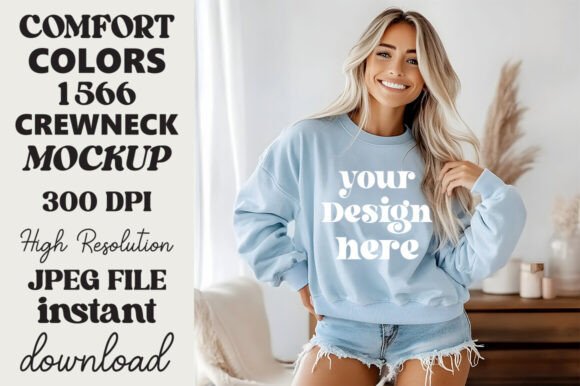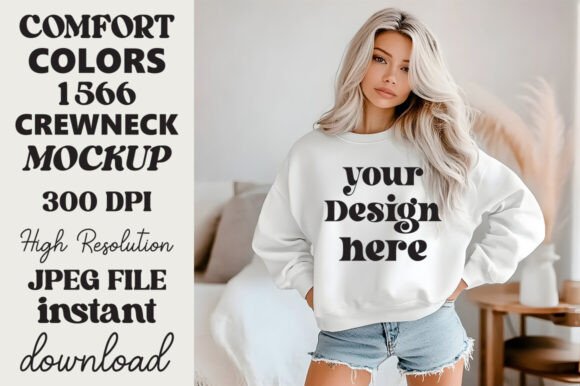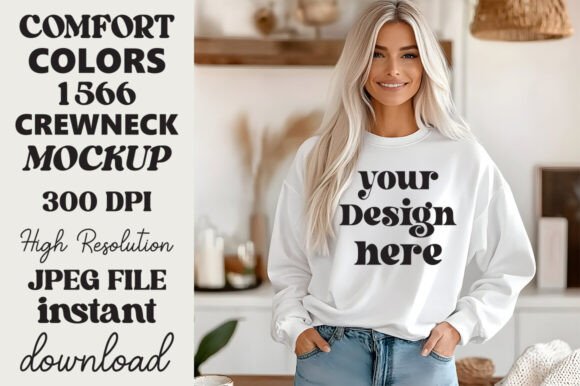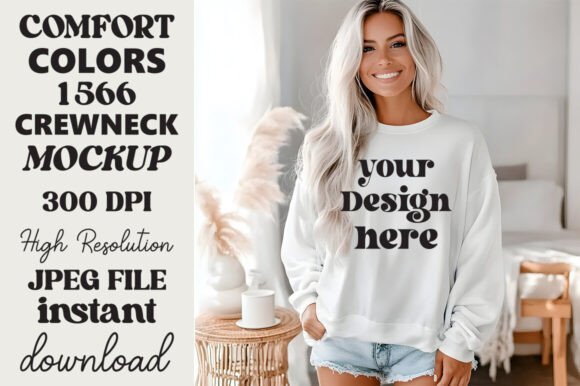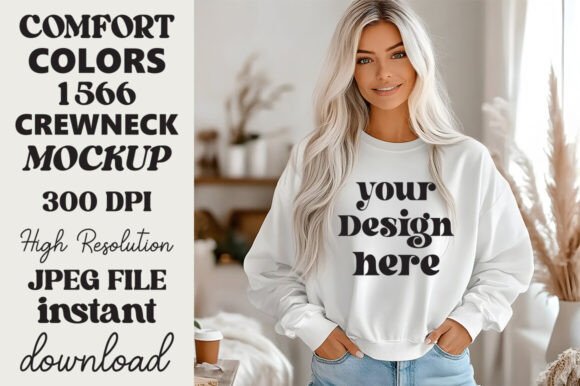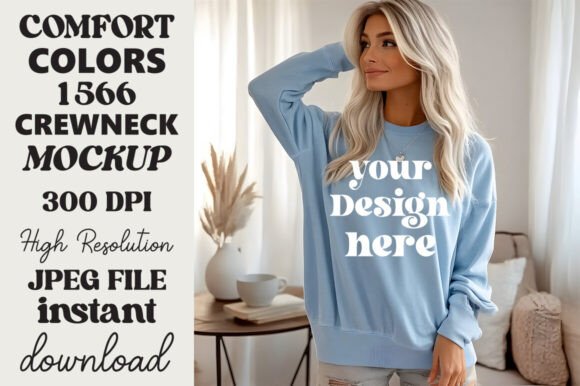
Comfort Colors 1566 Mockup Chambray 7 Review for Real Projects
As an embroidery designer with years of hands-on experience, I always approach a new machine embroidery design with a critical eye. The Comfort Colors 1566 Mockup Chambray 7 caught my attention not just for its aesthetic but for how it could realistically perform in everyday creative work. Whether you're an Etsy seller or a small shop owner preparing custom apparel, this mockup design has the potential to elevate your handmade product offerings — if used correctly.
A First Glance: What It Feels Like
The first thing that stands out about Comfort Colors 1566 Mockup Chambray 7 is its soft, laid-back vibe. The design feels like a warm hug in visual form — perfect for creating cozy, approachable embroidered patches or adding a personal touch to casual wear like sweatshirts and tote bags. Its layout is clean but not too minimalist, making it ideal for boho-inspired sweatshirt embroidery, especially when paired with natural tones and organic textures.
I found the detail level to be balanced. It’s intricate enough to show quality without being overwhelming for beginners. This makes it versatile across different types of design assets, from personalized gifts to commercial embroidery projects. The theme suggests it would look great on cotton-based fabrics, particularly those with a bit of texture, which opens up possibilities for aprons, tea towels, and even nursery decor.
Real-Life Use Cases and Performance
Let’s imagine a scenario: You’re an Etsy seller working on a custom order for a client who wants a bohemian-style crewneck sweatshirt for their daughter's birthday. You pick the Comfort Colors 1566 Mockup Chambray 7 because it fits the vibe they described. Here’s how it performs:
- Custom Apparel: On a medium-weight sweatshirt fabric, the design stitched cleanly and maintained its shape well. The overall feel was soft and inviting, exactly what you want for a personalized gift.
- Tote Bags & Aprons: When applied to a canvas tote bag, the details held up nicely. For aprons, the placement was straightforward and gave a polished look that customers would appreciate as part of a craft business offering.
- Baby Clothes: If you’re thinking about using it on a baby onesie or romper, the softness of the design works well. However, keep in mind that delicate areas might require extra care during stitching to avoid puckering.
- Printable Mockups: As part of a digital product bundle, the mockup provided a realistic preview of how the design would appear on actual merchandise. This is a big plus for digital embroidery file sellers who rely on strong visual representation to drive sales.
What impressed me most was how the design adapted to different contexts. It doesn’t scream for attention but instead invites a connection — something essential for small shop products and handmade items where authenticity matters more than flashiness.
Where to Use It Carefully
While Comfort Colors 1566 Mockup Chambray 7 is a solid choice, there are certain situations where it needs to be handled with more precision:
- Small Hoop Sizes: The design contains some fine lines and decorative accents that may get lost or distorted if stitched on smaller hoops. Always confirm the recommended hoop size before use.
- Textured or Stretchy Fabrics: If you plan to use this on denim, felt, or stretchy knits, you’ll need to adjust stitch density and possibly add extra stabilizer to maintain clarity and prevent distortion.
- Dense Stitch Areas: Some sections have tighter satin stitch coverage. These can cause stiffness or puckering if not tested properly, especially on thin or loosely woven materials.
- Dark Fabric Backgrounds: While the design looks great on light-colored fabrics, thread contrast becomes an issue on darker bases. Consider testing it on black or navy backgrounds to see if the colors still pop.
- Curved Surfaces: If you're planning to embroider this onto a cap or curved surface, pay close attention to how the layout adapts. A running stitch or split hoop setup may be necessary to ensure smooth results.
One thing I noticed while reviewing the product mockups is that the design isn’t suited for every type of garment. It shines best on flat surfaces with moderate thickness — think sweatshirts, pillows, and tote bags. Avoid using it on layered garments unless you're prepared to modify the design to suit the layers and angles.
Visual Appeal and Customer Reaction
From a branding perspective, this design adds a subtle yet stylish edge to your finished product. It doesn’t come off as overdesigned or gimmicky, which means it can easily blend into a variety of themes — whether rustic, modern, or vintage. That kind of flexibility is gold for anyone managing a craft fair product line or looking to offer seasonal holiday embroidery options.
Customers tend to respond positively to designs that feel intentional and high-quality. The Chambray 7 mockup gives that impression, enhancing the product value and boosting customer trust. It also helps create a cohesive brand identity when used consistently across items like embroidered patches and sweatshirt embroidery.
Design Notes for Embroidery Artists
Before jumping into production, here are some practical tips I’d recommend to fellow embroidery designers and creative entrepreneurs:
- Test on Scrap Fabric: Always run a test stitch on a scrap piece of your target material. This will help you spot any issues with thread colors or fabric behavior early on.
- Review Stitch Density: Adjust the fill stitch and satin coverage based on your fabric type. Thinner or stretchier materials will benefit from lower densities to avoid pulling or distortion.
- Check Thread Contrast: Especially if you're using it for printable mockups, make sure the colors pop against the background. Dark threads won’t work as well on dark fabrics.
- Confirm Hoop Size: Since exact dimensions aren’t listed in the description, double-check the required hoop size for your machine. Larger designs often need bigger hoops to avoid tension issues.
- Inspect Small Details: Look closely at the corners and edges of the design. Tiny lettering or decorative elements might need manual tweaking depending on your project.
- Use Proper Stabilizer: For cotton blends or stretchy materials, opt for a tear-away or cut-away stabilizer to support the structure and reduce puckering.
- Test in Black and White: Sometimes, color can mislead. Print the mockup in grayscale to see how it translates on monochrome fabrics or under different lighting conditions.
- Confirm Licensing: Before selling finished items or bundling the embroidery file in a digital product, verify the licensing terms. Not all graphics are suitable for commercial use without permission.
Handmade Presentation and Brand Consistency
In my experience, the Chambray 7 design brings a professional finish to handmade products. When used on boho crewneck sweatshirts, it looks like it was made by someone who knows their craft — a key factor in building brand consistency. It’s also easy to scale across different sizes and placements, making it useful for both one-off personalized gifts and bulk orders for small business merchandise.
Its understated style makes it adaptable for boutique branding. I’ve used similar designs to create a signature look for clients who sell custom apparel online. The visual appeal is enough to catch the eye, but not so much that it distracts from the rest of the garment or product.
Final Thoughts for Makers and Sellers
If you’re looking for a machine embroidery design that can serve multiple purposes without feeling forced, the Comfort Colors 1566 Mockup Chambray 7 is worth considering. It’s not flashy, but it has character — the kind that builds professionalism and buyer engagement subtly over time.
However, don’t assume it will work perfectly everywhere. Take the time to understand how it behaves on your specific materials and machines. Remember, no matter how beautiful a design looks on screen, the real test comes when it hits the hoop.
For Etsy sellers and digital product creators, this mockup offers a reliable base for showcasing your creativity. Just ensure you’re clear on the license terms and consider how it integrates with your existing design assets. Used thoughtfully, it can become a staple in your collection of go-to embroidery projects.